


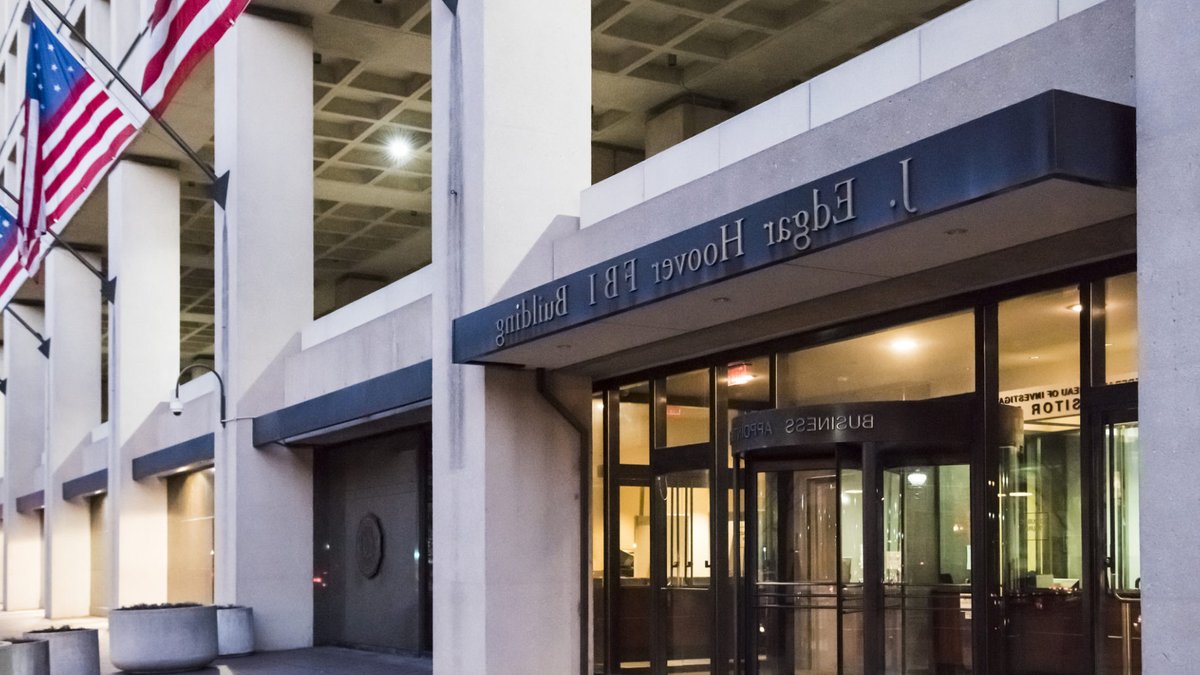
More than a decade of effort to replace an antiquated case‑management system cost the FBI roughly $1 billion, yet the agency only achieved a functional solution in 2012.
Early attempts and the fallout after 9/11
In the late 1990s the bureau rolled out the Automated Case Support (ACS) system, a “greenscreen” application that required agents to type dozens of commands for simple tasks. The interface was so cumbersome that staff routinely bypassed it, printing paper records to serve as the official source of truth.
When the September 11 attacks exposed the agency’s inability to share data across field offices, the shortcomings became stark. Investigators could not combine intel because the existing databases were isolated. As one senator noted at a Senate oversight hearing, an FBI official “had to personally deliver [testimony] on a disk, making it impossible to circulate and store it online.”
The FBI responded with Trilogy, a three‑part program launched in 2001. The third component, the Virtual Case File (VCF), was contracted to Science Applications International Corporation (SAIC). Congress expanded the Trilogy budget to $458 million (about $850 million today) and pushed the deadline to the end of 2003.
Related: Transmission Grids: Path Forward After Grid Feud
SAIC and the bureau defined an 800‑page requirements document, then locked it in. Over the next year they filed more than 400 change requests, each requiring extensive paperwork. The project spiraled, and by the end of 2003 the FBI rejected the delivered software as unusable. After a brief, $16.4 million attempt to salvage a stripped‑down version, the VCF contract was cancelled in early 2005, with over $100 million of VCF‑specific funds wasted.
Sentinel’s costly rebirth
Undeterred, the organization launched Sentinel in 2005, budgeting $425 million (roughly $700 million today). The agency issued a $300 million‑plus request for proposals, receiving only two bids. It awarded the contract to Lockheed Martin in March 2006.
Sentinel adopted stricter project‑management controls than VCF, generating more than 20,000 pages of documentation for its first phase. Phase 1, a modern front‑end interface, went live in June 2007 and was functional enough for agency‑wide use. However, subsequent phases faltered. Staff turnover, missed deadlines, and a version of Phase 2 that deleted users’ work prompted a stop‑work order.
An MITRE audit warned that continuing with Lockheed’s practices would add another $351 million to the cost and delay completion to 2016. By that point the FBI had spent $405 million on Sentinel and $105 million on VCF, totaling $884 million in ineffective software.
In September 2010 the bureau reclaimed development, forming a small in‑house team of about 40 engineers. The group abandoned the heavy documentation regime and adopted agile methods, delivering incremental updates directly to users. This shift mirrored the Product Operating Model, a framework that values iterative delivery over rigid schedules.
Related: What to Do Immediately After a Car Wreck (Legal Steps)
While the new approach was not flawless—a network outage during early testing briefly knocked out the bureau’s intranet—it resolved issues quickly. User satisfaction rose to 8.5 out of 10, and the fully integrated Sentinel system launched on July 1 2012.
Comparing the FBI’s experience to other large‑scale government IT projects shows a pattern: early reliance on single, large contractors often leads to cost overruns and delayed outcomes, whereas smaller, agile teams can achieve comparable results with far less expenditure.
The project finally succeeded.
Ultimately, that total spend reflects both the challenges of modernizing legacy systems and the potential savings from adopting more flexible development practices.


